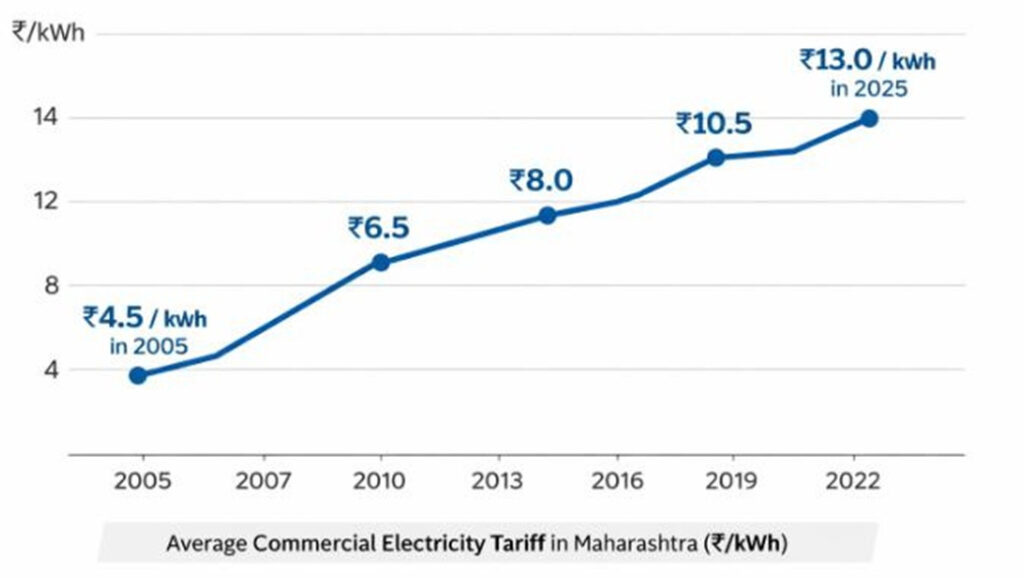
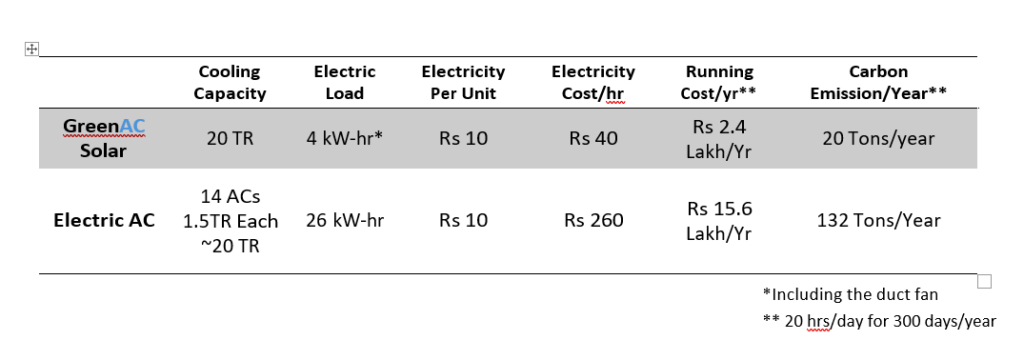
Cost of “Plugging IN” (for Commercial Consumers Maharashtra, 2005–2025)
2019* 10% of electricity generation 90 million tons of Oil equivalent 2037* 50% of peak electricity demand 180 million tons of Oil equivalent
*As per India cooling action plan ICAP 2019
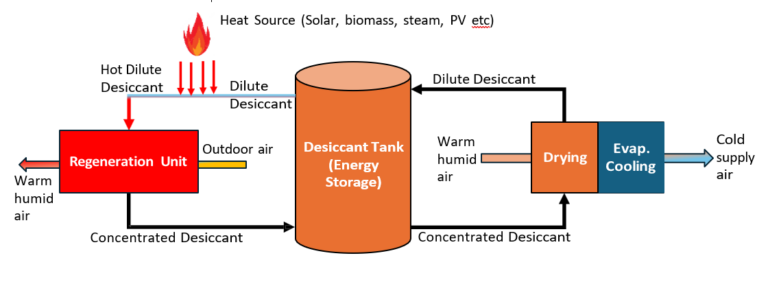
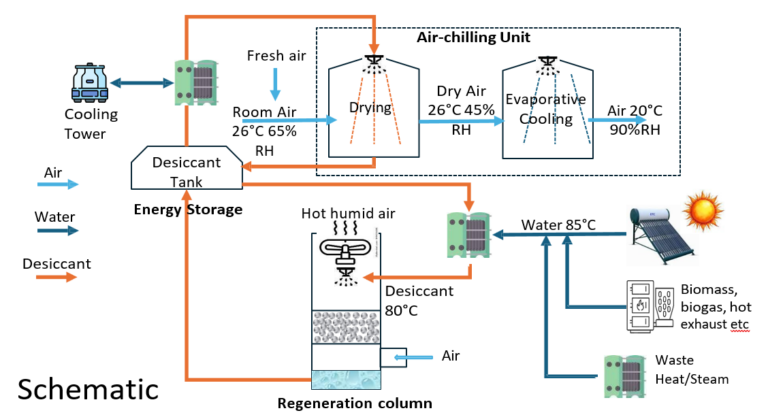
Working Principle: Liquid Desiccant Powered Air-conditioning
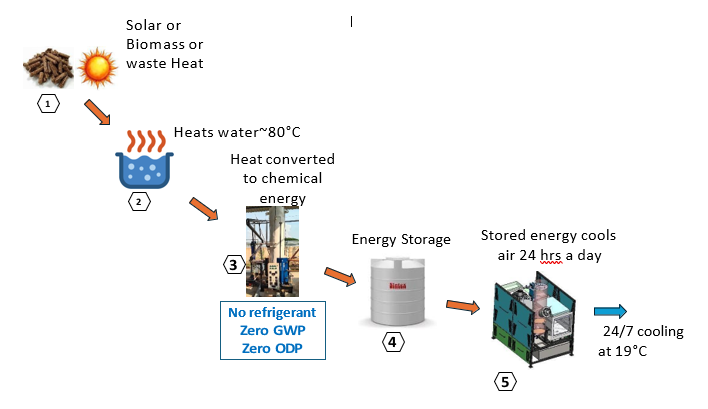
Advantages : 1. Cost Savings: Consumes energy from low cost C renewable energy sources 2. Ecological and Natural Refrigerant
How Does GreenAC Cool?
Ideal solution for difficult-to-air-condition
buildings
Factory shopfloors and warehouses
Temporary dwellings for workers
Public buildings (hospitals, transport hubs,
schools, etc.)
Informal and low-income housing
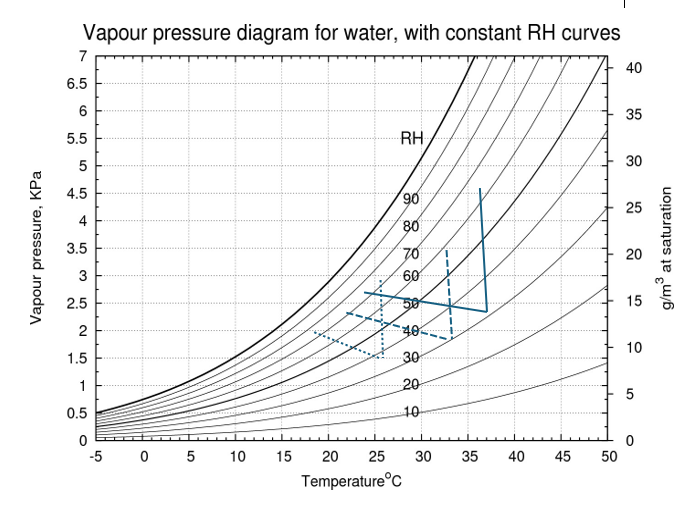
GreenAC Cooling Process
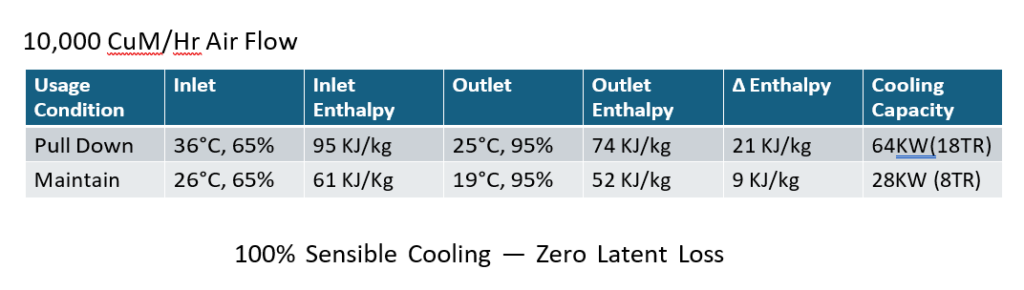
100% Sensible Cooling , 0% Latent Loss
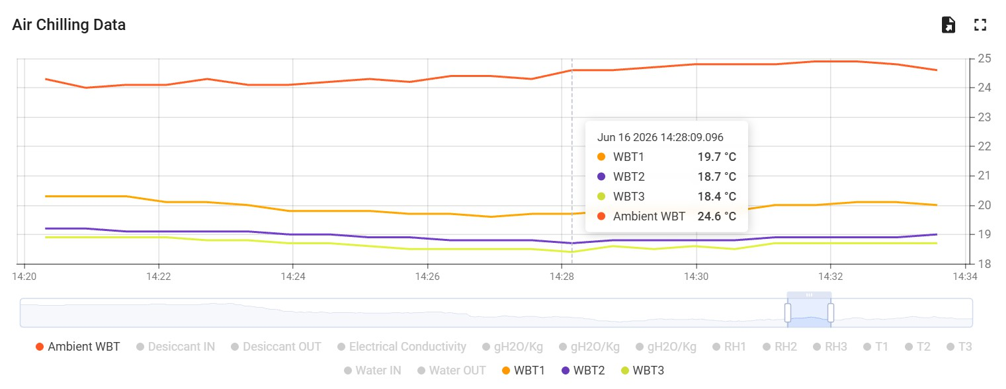
Operating Data
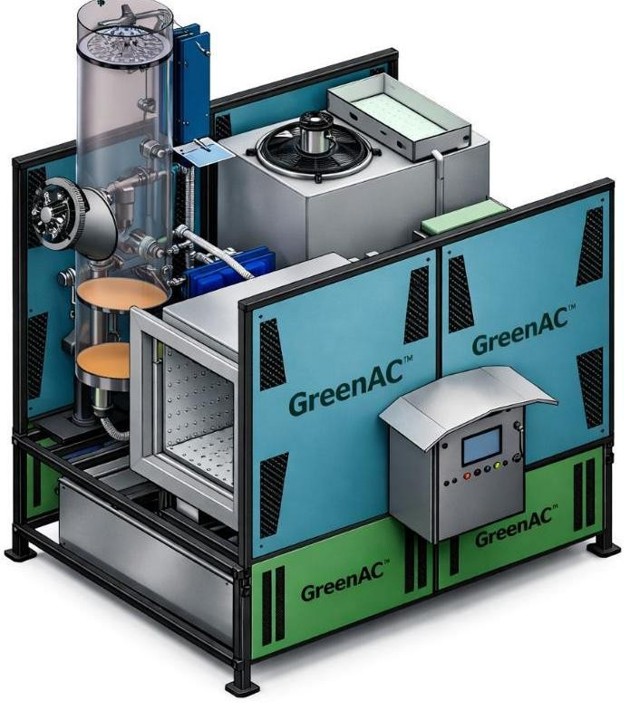
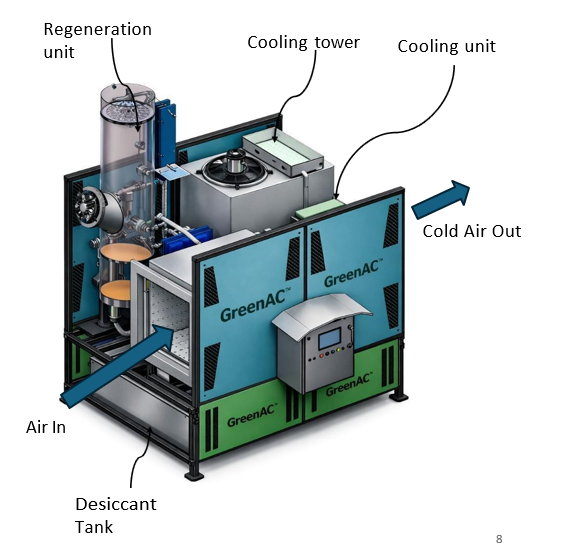
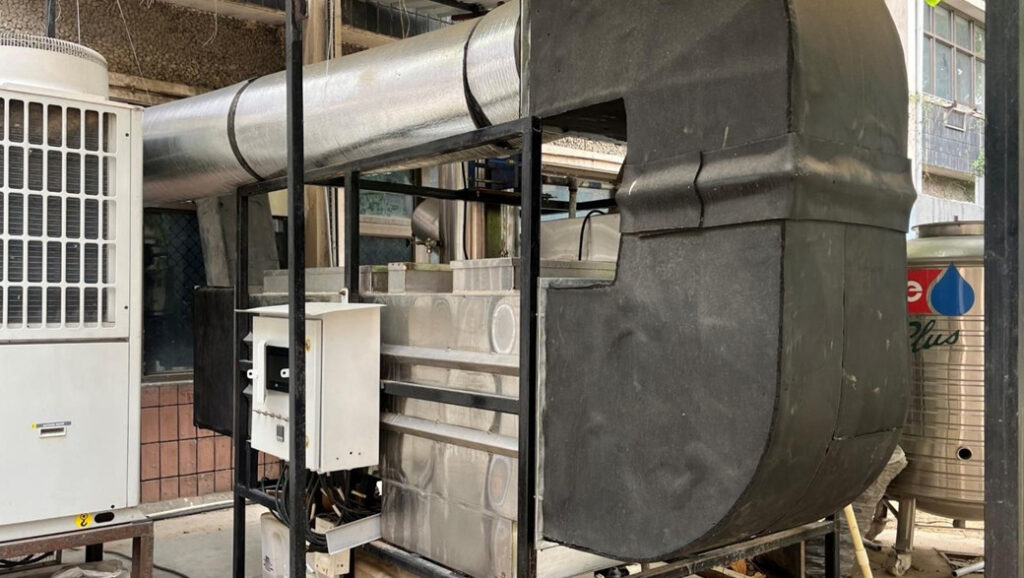
GreenAC Unit
Stainless steel construction
Skid-mounted, no separate installation required
Non-corrosive salt solution
IoT/PLC driven
Size:
5 m (5 TR)
5 m (15 TR)
Energy input to provide cooling for 12 hrs/day:
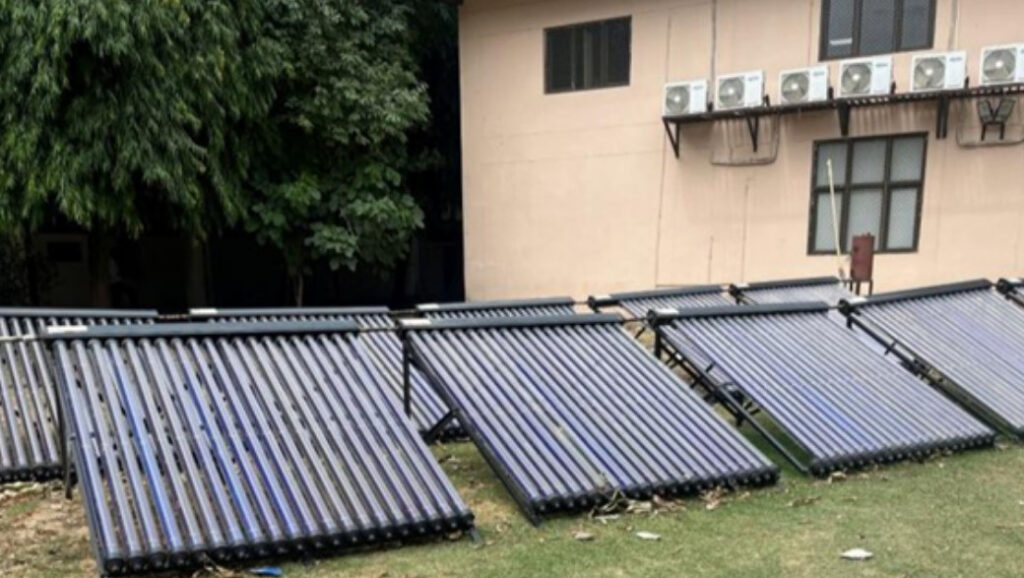
Hot water at 90°C from solar,biogas, biomass, solar PV, etc.
4 TR: 6 kWth for 8 hrs a day
15 TR: 25 kWth for 8 hrs/day
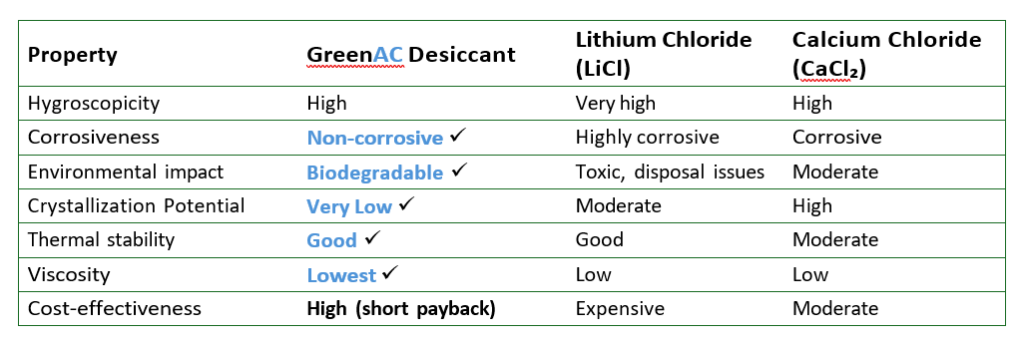
GreenAC Desiccant
Note:
GreenAC uses extensive demisting for zero desiccant carryover
Also used for de-icing aircraft and runways
Typical Water Consumption/TR of cooling
Water consumption for GreenAC
Air flow: 600 CMH/TR of cooling
Water needed/TR of cooling: 2 l/hr
Water evaporation for cooling of desiccant solution: 2 l/hr
Maximum water consumption: 4 l/hr per TR of cooling + Drift + Blowdown
Desert cooler water consumption (using 100% ambient air)
Typical airflow for similar cooling: 1200 CMH
Water requirement: 7 l/hr per TR of cooling
Water consumption of a typical water-cooled chiller
Heat to be removed from condensing unit/ton of cooling: ~16000 kJ
Water requirement = 7 l/hr per TR of cooling + (drift C blowdown losses)